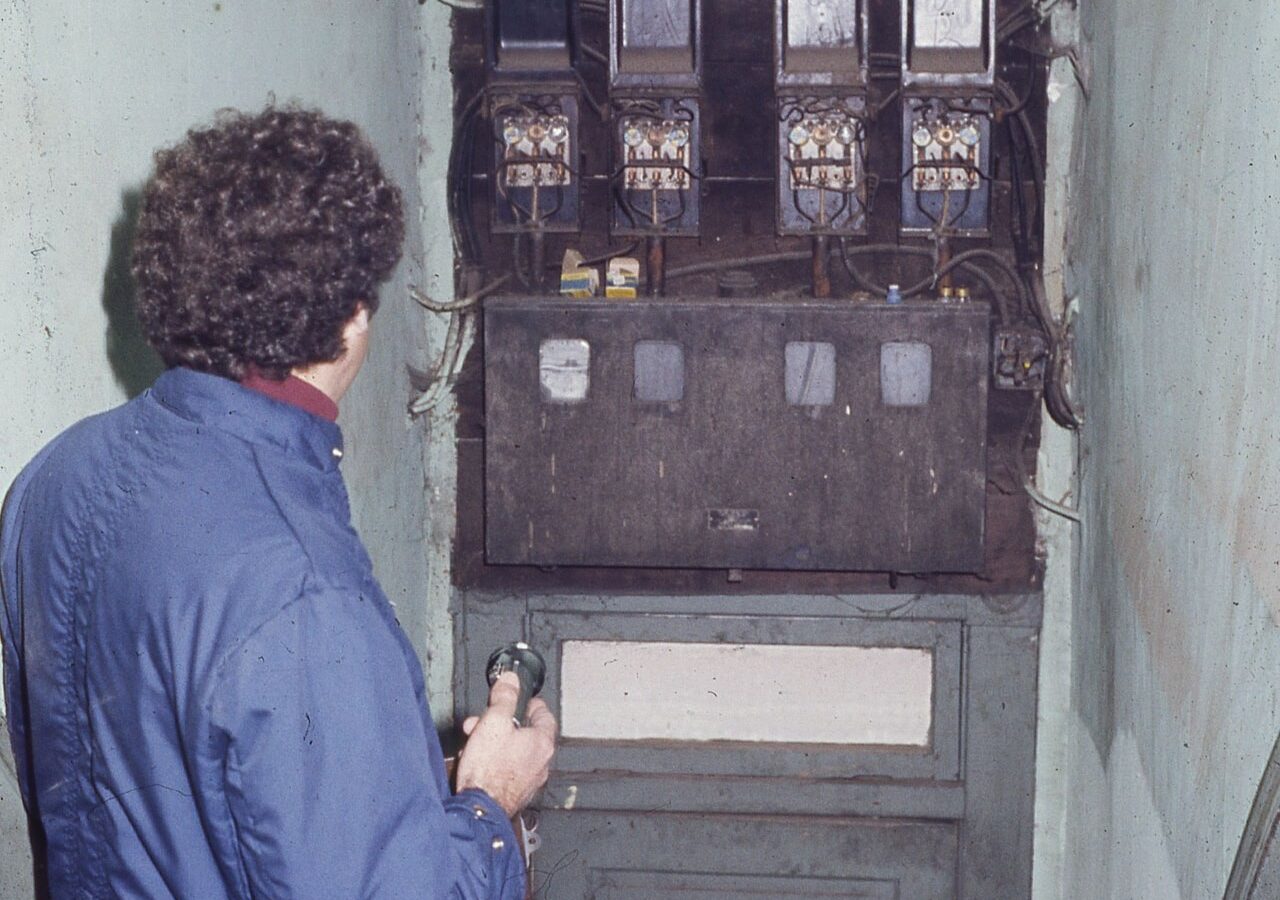
An outdated electrical panel is one of the few home systems where the visible symptoms and the actual risk level don’t correlate well — a panel can look fine and still be a genuine safety issue, or trip breakers constantly and just mean you’ve added more devices than the circuit was ever meant to carry. Here are five concrete things that indicate it’s worth having a licensed electrician actually look at your panel.
First, brand name. If your panel is a Federal Pacific Electric (FPE) or Zinsco panel, get it evaluated regardless of any other symptoms — both brands have documented, widely-recognized histories of breakers failing to trip during overloads, which is the entire safety function a breaker exists to perform. This isn’t a maintenance recommendation, it’s a known defect class.
Second, amperage. If your panel is rated 60 or 100 amps and your household runs central air, an electric range, and modern appliances simultaneously, you’re likely at or near capacity already — a 200-amp panel is standard for a reason, and running close to a panel’s rated limit regularly is itself a stress factor on the equipment.
Third, physical signs: scorch marks, a persistent burning smell near the panel, or breakers that feel warm to the touch are not “keep an eye on it” situations — they warrant an electrician the same week, not the same season.
Fourth, fuses instead of breakers. A fuse box isn’t automatically dangerous, but it means your home’s electrical service almost certainly predates modern code, and fuse boxes can’t accommodate the dedicated circuits GFCI/AFCI protection and modern kitchens require without significant modification.
Fifth, and most common: your insurance company asked about it. Insurers maintain their own risk data on panel brands and ages, and a renewal rider requiring a panel upgrade is usually based on real claims history for that panel type, not an arbitrary policy.